TED recently posted another interesting talk about games and social change by Tom Chatfield.
One big take away from his talk is seven lessons from games that you can take and use outside of games to engage people with game-like rapture.
- Experience bars measuring progress - show progress towards a single, large, long term goal.
- Multiple long and short term aims - lots and lots of different tasks at a level that is still engaging. Break down a huge problem into interesting slices.
- Reward effort - credit for trying. No punishment for failure.
- Feedback - link consequence to action. Even when they are distant in time and space.
- Element of uncertainty - uncertain rewards at the right level of occurrence (intermittent reinforcement).
- Windows of enhanced attention - provide the lessons at the right time when attention is focused.
- Other people - doing things with your peers.
The mention of EverQuest did get me to thinking about games for sustainability in a slightly different way. I had been trying to answer how you bride the gap from games to changed behavior.
- In games about sustainability, there is some attempt to educate, but no real requirement to actually change. Here is an example ("Fate of the World") that lets the player experiment with different policies to understand how those policies affect outcomes that are not readily apparent in a short time frame.
- In crowdsourced efforts, like zooniverse's "old weather" project and the Great Backyard Bird Count, people expend effort at processing data that can be used to understand our environment. That is arguably a change in behavior, but one that is of an information processing nature rather than a lifestyle change.
- In augmented reality, an objective is overlaid on some real environment as a way to change your interaction with that environment. But it leaves the problem of making sustainability related behavior changes exciting enough to play in and of itself on a long term basis.
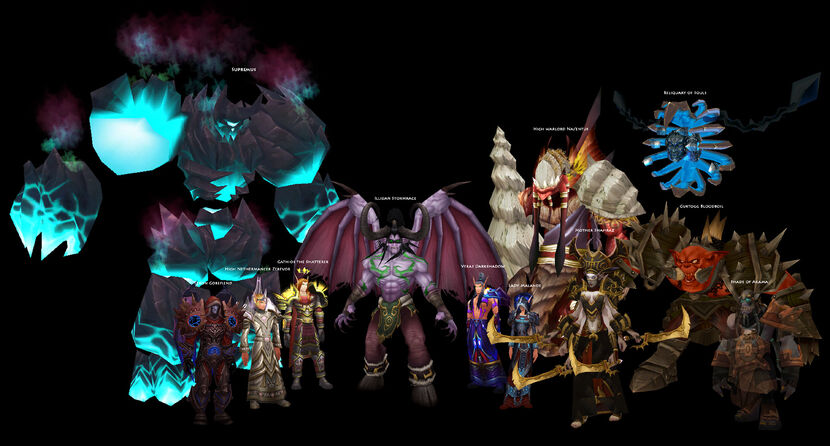
A focused game mechanic that closely coordinates people to act towards a common goal that can require a large amount of preparation outside of the specific event in order to achieve.
- The game sets a target (e.g. kill bad guy X)
- People gather to achieve it (e.g. clan N and clan Y decides to take on this raid for the greater glory)
- The game could set up a mechanic whereby the first team to reduce electricity usage over baseline by 100kWhr opens the dungeon required to start the raid. Or the more energy saved by the group, the more powerful a summoned assistant the team gets (with tiers and drastic changes to powers and appearance as the tiers are achieved). As part of this mechanic, the game would:
- Show each player's contribution towards the goal
- Suggest approaches for achieving the goal
- Provide some in-game feedback about the effect of this goal
- e.g. the saved energy builds up in a visual form somewhere in-game
- e.g. provide tiered but randomized rewards as players' contributions reach certain levels.
- Provide real world context of what the energy savings means (e.g. $x of savings)
- Keep a public record of what was achieved for all groups attempting the raid to see.
- Rinse and repeat
One huge opportunity that comes from this is establishing the systems by which you get accurate feedback from the real world on the actions that you really want to drive. Smart meters are one example (leaving open the question of how you establish a "baseline"). But, as noted in this post, car mileage is a much larger contribution to overall energy usage. How would you monitor miles reduced? Similar questions for green buying decisions, water use, etc... some probably easier to solve (and easier to tie to a product promotional campaign) than others.
